

Description
Tulsi Tisane (Ocimum tenuiflorum / Thulasi) – Sacred Holy Basil Herbal Tea for Immune Support, Adaptogenic Calm & Respiratory Wellness – Traditionally Processed
This botanical has a longstanding place in Indian household and herbal traditions and is offered here in a convenient infusion format.
Traditional Wellness Use
Traditionally valued in routines associated with seasonal wellness, respiratory comfort and everyday balance. This wording reflects traditional use and is not intended as a promise of a clinical outcome.
How to Enjoy
Brew or prepare according to the directions on the pack. Enjoy as part of an everyday wellness routine.
FounditGood Quality
Carefully sourced and hygienically processed to retain the characteristic nature of the botanical ingredient.


 Mukurattai Powder (Boerhavia diffusa / Punarnava) – For Restorative Everyday Wellness – Carefully Cleaned, Stone-Ground
  FounditGood Karpooravalli Tea (Plectranthus amboinicus / Indian Borage) – Traditionally Valued for Respiratory & Seasonal Wellness
  FounditGood Nilavembu Capsules (Green Chiretta / Kalmegh / Andrographis paniculata) – Traditionally Valued for Seasonal & Digestive Wellness
  FounditGood Pirandai Capsules (Cissus quadrangularis) – Traditionally Valued for Mobility & Flexibility
  FounditGood Mudakathan Capsules (Cardiospermum halicacabum) – Traditionally Valued for Mobility & Flexibility
  FounditGood Kadukkai Capsules (Terminalia chebula/Haritaki) – Traditionally Valued for Digestive & Gut Wellness
  FiG Nutra NourishHair Capsules – Traditionally Valued for Metabolic & Digestive Wellness
  Musumusukkai Leaf-Tea (Mukia maderaspatana) – Traditionally Valued for Respiratory & Seasonal Wellness
 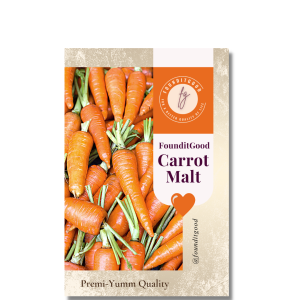 FiG Carrot Malt – Traditionally Valued for Daily Nourishment & Vitality
  FiG Beetroot Malt – Traditionally Valued for Daily Nourishment & Vitality
  FiG Sprouted Multi-Nutri Mix (Sattu Maavu) – 34-Ingredient Cereal & Pulse Blend
  FiG Sprouted Multi-Nutri Mix (Sattu Maavu) for Children – 25-Ingredient Cereal & Pulse Blend
  Vilvam Leaf Powder (Aegle marmelos / Bael) – For Digestive & Gut Wellness – Sacred Bilva Leaf, Stone-Ground
  Naval Seed Powder (Jamun Seed / Syzygium cumini / Indian Blackberry) – For Digestive Wellness & Daily Routine – Seed Only, Stone-Ground
  FounditGood Avarampoo Tea (Senna auriculata / Avartaki) – Traditionally Valued for Digestive & Gut Wellness
  FounditGood Brahmi Loose Leaf Tisane | Bacopa monnieri | Traditional Herbal Infusion for Focus, Calm & Mental Wellness
  FounditGood Kalonji Tisane (Nigella sativa / Black Cumin / Karum Jeeragam) – Traditionally Valued for Metabolic & Digestive Wellness
  FounditGood Vasambu Tisane (Acorus calamus / Vacha) – Traditionally Valued for Traditional Wellness
  FounditGood Athimathuram (Glycyrrhiza glabra / Yashtimadhu) – Traditionally Valued for Throat & Digestive Wellness
  FounditGood Maruthampattai Tisane (Terminalia arjuna / Arjuna Bark) – Traditionally Valued for Heart & Circulatory Wellness
  FounditGood Koraikizhangu Tisane (Cyperus rotundus / Mustaka – Nagarmotha) – Traditionally Valued for Digestive & Women's Wellness
  FounditGood Kandankathiri Tea (Solanum virginianum / Kantakari) – Traditionally Valued for Respiratory & Seasonal Wellness
  FounditGood Moringa Seed Powder (Moringa oleifera) – Traditional Botanical Personal Care
  FounditGood Shatavari Root Tisane (Asparagus racemosus) – Traditionally Valued for Women's Wellness & Balance
  FounditGood Nannari Root Tisane (Hemidesmus indicus / Anantamula) – Traditionally Valued for Liver & Digestive Wellness
  FounditGood Marikozhundhu Tisane (Artemisia pallens / Davana) – Traditionally Valued for Metabolic & Digestive Wellness
  FounditGood Triphala Tisane – Traditionally Valued for Digestive & Gut Wellness
  FounditGood Curry Leaf Capsules – Traditionally Valued for Daily Nourishment & Vitality
  FounditGood Soursop Leaf Capsules – Annona muricata (Graviola, Lakshman Phal) – Traditionally Valued for Everyday Vitality
  FounditGood Soursop Leaf Powder – Natural Annona muricata (Graviola, Lakshman Phal) – For a Calm Evening Cup – Leaf Only, Stone-Ground
  FounditGood Jamun Leaf Capsules (Syzygium cumini / Indian Blackberry Leaf) – Traditionally Valued for Metabolic & Digestive Wellness
  FounditGood Jamun Leaf Powder (Syzygium cumini / Indian Blackberry Leaf) – For Digestive Wellness – Aromatic, Stone-Ground
  FounditGood Multi Millet Pongal Mix – Wholesome Heritage Meal
  FounditGood Soursop Leaf Tea (Annona muricata / Lakshman Phal) – Traditionally Valued for Everyday Vitality
  FounditGood Mint Tea – Traditionally Valued for Digestive & Gut Wellness
  FounditGood Thottal Sinungi Tisane (Mimosa pudica / Lajjalu) – Traditionally Valued for Digestive Ease & Calm
  FounditGood Chitarathai Herbal Tea | Premium Kulanjan (Alpinia officinarum / Lesser Galangal) – Traditionally Valued for Throat & Digestive Wellness
  FounditGood Musumusukkai Capsules (Mukia maderaspatana) – Traditionally Valued for Respiratory & Seasonal Wellness
  FounditGood Purified Velvet Bean Tea – Traditionally Valued for Focus & Vitality
  FounditGood Purified Poonaikkali Seed Capsules – Dehulled & Traditionally Processed Velvet Bean (Mucuna pruriens / Kapikachu) – Traditionally Valued for Focus & Vitality
  FounditGood Amman Pacharisi Capsules (Euphorbia hirta) – Traditionally Valued for Respiratory & Seasonal Wellness
  FounditGood Nerunji Mull Capsules (Tribulus terrestris / Puncture Vine) – Traditionally Valued for Vitality & Urinary Wellness
  FounditGood Tribulus Tea (Tribulus terrestris / Nerunji Mull / Puncture Vine) – Traditionally Valued for Vitality & Urinary Wellness
  FounditGood Premium Aloe Vera Capsules (Aloe barbadensis miller) – Traditionally Valued for Digestive & Skin Wellness
  FounditGood Karuppu Kavuni Chakkara Pongal Mix (Nattu Pongal) – Wholesome Heritage Meal
  FounditGood Ponnanganni Capsules (Alternanthera sessilis) – Traditionally Valued for Traditional Wellness
  FounditGood Karela Capsules (Momordica charantia / Bitter Gourd) – Traditionally Valued for Metabolic & Digestive Wellness
  FounditGood Sprouted Fenugreek Capsules – Traditionally Valued for Metabolic & Digestive Wellness
  FounditGood Poovarasam Pattai Powder (Thespesia Populnea Bark) – For Skin Pastes & Bath Blends – For External Use, Stone-Ground
  FounditGood Thuthi Leaf Tea (Indian Mallow / Atibala) – Traditionally Valued for Urinary & Digestive Wellness
  FounditGood Eucalyptus Powder (Eucalyptus globulus) – For Herbal Steam & Baths – For External Use, Stone-Ground
  FounditGood Senna Pod Powder – For Occasional Digestive Support – Tinnevelly Senna, Stone-Ground
  FounditGood Senna Leaf Powder (Cassia angustifolia) – For Occasional Digestive Support – Tinnevelly Senna, Stone-Ground
  FounditGood Eucalyptus Tea (Eucalyptus globulus) – Traditionally Valued for Respiratory & Seasonal Wellness
  FounditGood Senna Pod Tea (Cassia angustifolia/Alexandrian Senna) – Traditionally Valued for Digestive & Gut Wellness
  FounditGood Vepam Poo Tea (Neem Flower) – Traditionally Valued for Skin & Botanical Wellness
  FounditGood Jamun Leaf Tea - Syzygium cumini – Traditionally Valued for Metabolic & Digestive Wellness
  FounditGood Amman Pacharisi Tea (Euphorbia hirta) – Traditionally Valued for Respiratory & Seasonal Wellness
  FounditGood Kuppaimeni Tea (Acalypha indica) – Traditionally Valued for Skin & Botanical Wellness
  FounditGood Brahmi Tea – Traditionally Valued for Focus & Vitality
  FounditGood Kalarchikai Tea (Fever Nut / Caesalpinia Bonducella) – Traditionally Valued for Women's & Digestive Wellness
  FounditGood Naval-T (Syzygium cumini / Indian Blackberry) – Traditionally Valued for Metabolic & Digestive Wellness
  FounditGood Brahmi (Bacopa Monnieri) – For Focus & Vitality – True Bacopa, Stone-Ground
  Kuppaimeni Powder (Acalypha indica) – For Traditional Skin Care – For External Use, Stone-Ground
  FounditGood Brahmi (Bacopa monnieri) – Traditionally Valued for Focus & Vitality
  FounditGood Thuthi Leaf Powder (Indian Mallow / Atibala) – For Keerai & Digestive Wellness – Stone-Ground, Small-Batch
  FounditGood Amman Pacharisi Powder (Euphorbia hirta) – For Seasonal Wellness – Carefully Cleaned, Stone-Ground
  FounditGood Sukku Kashayam – Convenient Culinary Ingredient
  FounditGood M&C Tea – Moringa & Curry Leaf Blend for Daily Nourishment & Hair Wellness
  FounditGood Avarampoo & Orange Peel Powder Face Pack Combo – Natural Glow & Radiance – 100% Herbal Blend for Clear Skin & Youthful Appearance
  FounditGood Keezhanelli Herbal Tea (Phyllanthus Niruri) – Traditionally Valued for Liver & Digestive Wellness
  FounditGood Rose Tea – Aromatic Herbal Infusion for Calm & Everyday Wellness – 20 Tea Bags
  FounditGood Giloy Powder – Tinospora cordifolia (Amruthavalli / Guduchi) – For an Everyday Wellness Routine – Stem Only, Stone-Ground
  FounditGood Aloe Vera Powder – For Face Packs & Hair Packs – Convenient, No Scraping
  FounditGood Koraikizangu Powder – For Digestive Wellness – Warm, Aromatic, Stone-Ground
  FounditGood Nayuruvi Powder – Apamarg (Achyranthes Aspera) – For Tooth Cleaning & Everyday Wellness – Stone-Ground, Small-Batch
  FounditGood Moringa Flower Tea – Botanical Infusion for Daily Nourishment & Vitality
  Blue Bloom Wellness: FounditGood Sangu Poo Tea - Butterfly Pea, Serene Elixir for an Enchanting Experience – Traditionally Valued for Calm & Everyday Wellness
  FounditGood Pungai Leaf Powder (Karanj/Pongamia Pinnata) – For Herbal Baths & Skin Care – For External Use, Stone-Ground
  FounditGood Pungai Leaf Tea (Karanj/Pongamia Pinnata) – Traditionally Valued for Traditional Wellness
  FounditGood Amukkara Capsules (Ashwagandha / Withania somnifera) – Traditionally Valued for Vitality & Restorative Balance
  FounditGood Adathodai Capsules (Adhatoda vasica / Malabar Nut) – Traditionally Valued for Respiratory & Seasonal Wellness
  FounditGood Naval Seed Capsules (Syzygium cumini / Jamun Seed / Indian Blackberry) – Traditionally Valued for Metabolic & Digestive Wellness
  FounditGood Keezhanelli Capsules (Stonebreaker / Phyllanthus Niruri) – Traditionally Valued for Liver & Digestive Wellness
  FounditGood Sirukurinjan Capsules – Traditionally Valued for Metabolic & Digestive Wellness
  FounditGood Moringa Leaf Capsules (Moringa oleifera) – Traditionally Valued for Daily Nourishment & Vitality
  FounditGood Thoothuvalai Capsules (Solanum trilobatum) – Traditionally Valued for Respiratory & Seasonal Wellness
  FounditGood Vallarai Capsules (Centella Asiatica) – Traditionally Valued for Focus & Vitality
  FounditGood Vilvam Capsules (Aegle marmelos/Bael/Bilva) – Traditionally Valued for Digestive & Gut Wellness
  FounditGood Karisalankanni Capsules – (Bhringraj, False Daisy, Eclipta alba) – Traditionally Valued for Hair & Scalp Wellness
  FounditGood Triphala Capsules – Amalaki (Emblica officinalis), Bibhitaki (Terminalia bellirica) and Haritaki (Terminalia chebula) – Traditionally Valued for Digestive & Gut Wellness
  FounditGood Arugampul Capsules (Cynodon dactylon/Bermuda Grass) – Traditionally Valued for Daily Nourishment & Vitality
  FiG Nutra Women's Wellness Formula – Botanical Blend for Vitality & Restorative Balance – 60 Veg Caps
  FounditGood Ponnanganni Leaf Powder (Sessile joyweed) – For Keerai, Poriyal & Everyday Nourishment – Stone-Ground, Small-Batch
  JusChill – Vetiver, Sabja & Rose Water-Infusion Pouches for Summer Hydration
  FiG Nutra 'GlucoQuad' Capsules – Traditionally Valued for Metabolic & Digestive Wellness
  FiG Nutra 'Ginkgo-Centella' Capsules – Traditionally Valued for Focus & Vitality
  FiG Nutra's AGK Extract Capsules – Traditionally Valued for Seasonal & Digestive Wellness
  JustSok – Ready-to-Use Herbal Soak Bags for Everyday Metabolic Wellness
 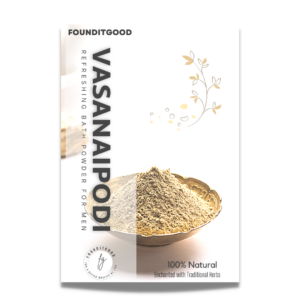 FounditGood VasanaiPodi for Men I Natural & Refreshing Herbal Bath Powder – Traditional Botanical Personal Care
  ZenRoots Ashwagandha Elixir - FounditGood's Herbal Loose Tea (Cut & Sifted) – Traditionally Valued for Vitality & Restorative Balance
  FounditGood Ashwagandha Tea (Withania somnifera / Indian Ginseng) – Traditionally Valued for Vitality & Restorative Balance
  FounditGood Karisalankanni Tea – Traditional Herbal Infusion for Hair & Scalp Wellness
  Thandrikai Powder (Terminalia Bellarica / Bibhitaki) – For Everyday Wellness – The Third Fruit of Triphala, Stone-Ground
  FounditGood Karela Powder (Momordica charantia / Bitter Gourd) – Traditionally Valued for Metabolic & Digestive Wellness
 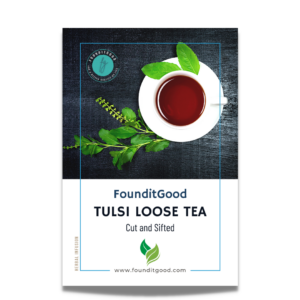 FounditGood Tulsi Loose Leaf Tea | Holy Basil Tea | Cut and Sifted (T-Cut) – Traditionally Valued for Seasonal & Respiratory Wellness
  Hibiscus Dried Flower - Sun Dried – Traditionally Valued for Heart & Circulatory Wellness
  Blooming Vitality: FounditGood's Hibiscus Infusion - Premium Loose Tea (Cut & Sifted) – Traditionally Valued for Heart & Circulatory Wellness
  FounditGood Curry Leaf Tea (Murraya Koenigii) – Traditionally Valued for Daily Nourishment & Vitality
  FounditGood Amla Tea – Traditionally Valued for Daily Nourishment & Vitality
  Thoothuvalai Herbal Tea (Solanum trilobatum) – Traditionally Valued for Respiratory & Seasonal Wellness
  FounditGood Sun-Dried Neem Leaves – Traditional Botanical Ingredient
  Thumbai Powder (Leucas aspera) – For Kashayam & Seasonal Wellness – Stone-Ground, Small-Batch
  Nochi Herbal Tea (Vitex negundo / Sindhuvara) – Traditionally Valued for Mobility & Flexibility
  FounditGood Adathodai Herbal Tisane (Adhatoda vasica / Vasaka – Adusa) – Traditionally Valued for Respiratory & Seasonal Wellness
  FounditGood Vilvam Leaf Tea (Aegle marmelos / Bael) – Traditionally Valued for Digestive & Gut Wellness
  FiG Hibiscus Tea – Traditionally Valued for Heart & Circulatory Wellness